Best Mug Warmer for French Press Coffee
French press coffee sits in the press or the mug longer than drip coffee does, and a warmer changes how the second half of the pot tastes. Here's what to look for and which warmers actually fit the workflow.
French press coffee has a cooling problem that drip coffee doesn't. A 4-cup press yields 16 to 20 ounces, which most people drink across 30 to 60 minutes, not in one sitting. The press holds heat OK for the first 10 minutes and badly after that. Once the metal plunger and glass walls equilibrate, the brew drops about 5°F every 5 minutes — a 200°F press is closer to 150°F by the time you're pouring your last cup.
A mug warmer fixes part of this. Not all of it. The fix depends on whether you pour once and sip, or pour multiple cups from a single press, or (more common) leave the press on the counter and refill your mug over the course of an hour.
Where a warmer fits in the French press workflow
There are three reasonable French press routines, and a warmer helps with each one differently.
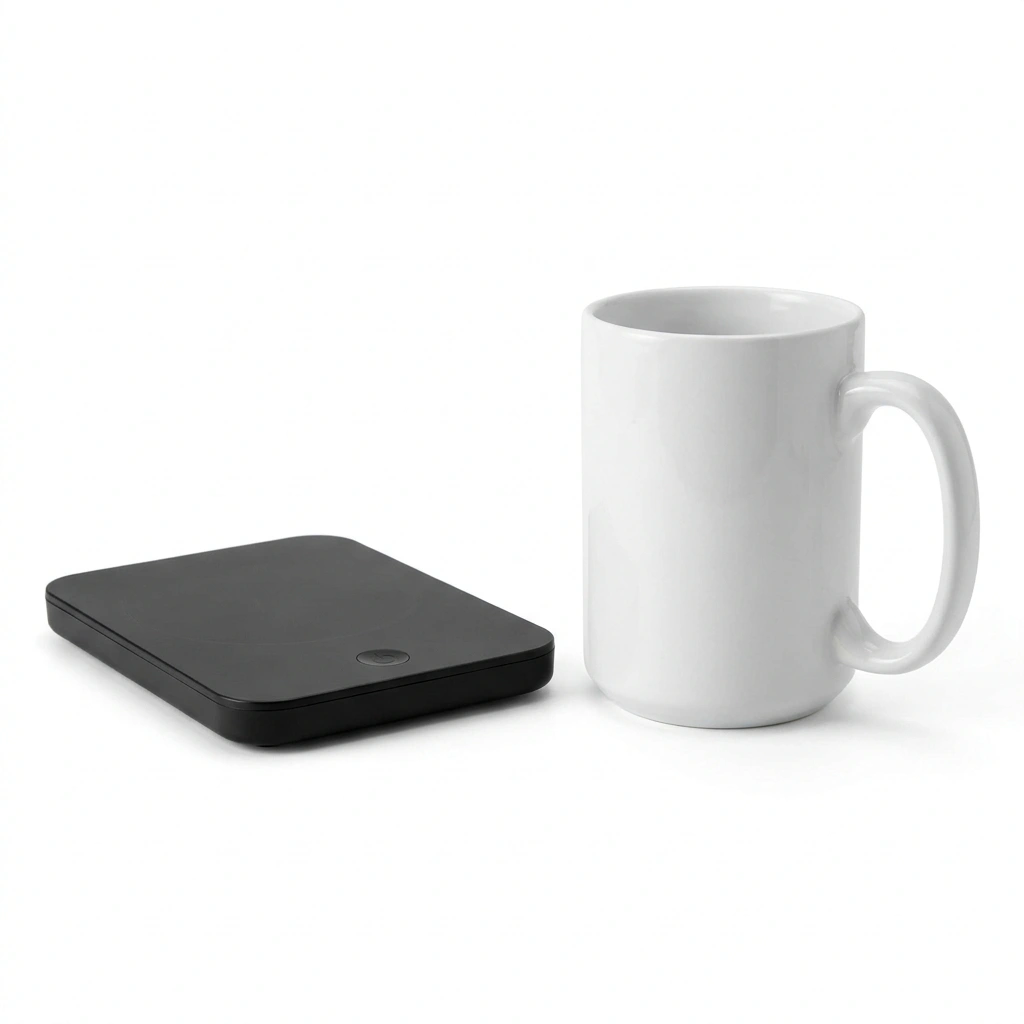
Routine 1: Pour into a single mug and sip. The press gets used once, the coffee lives in the mug for 30 to 90 minutes. A standard plate warmer under the mug keeps the second half drinkable. This is the easiest case — a Cosori on medium is the right tool.
Routine 2: Pour into two mugs, share with someone. The second mug sits for 20 to 40 minutes while the first one gets drunk. A warmer under the second mug handles it. Same warmer as routine 1, just make sure you have two mugs in rotation rather than one.
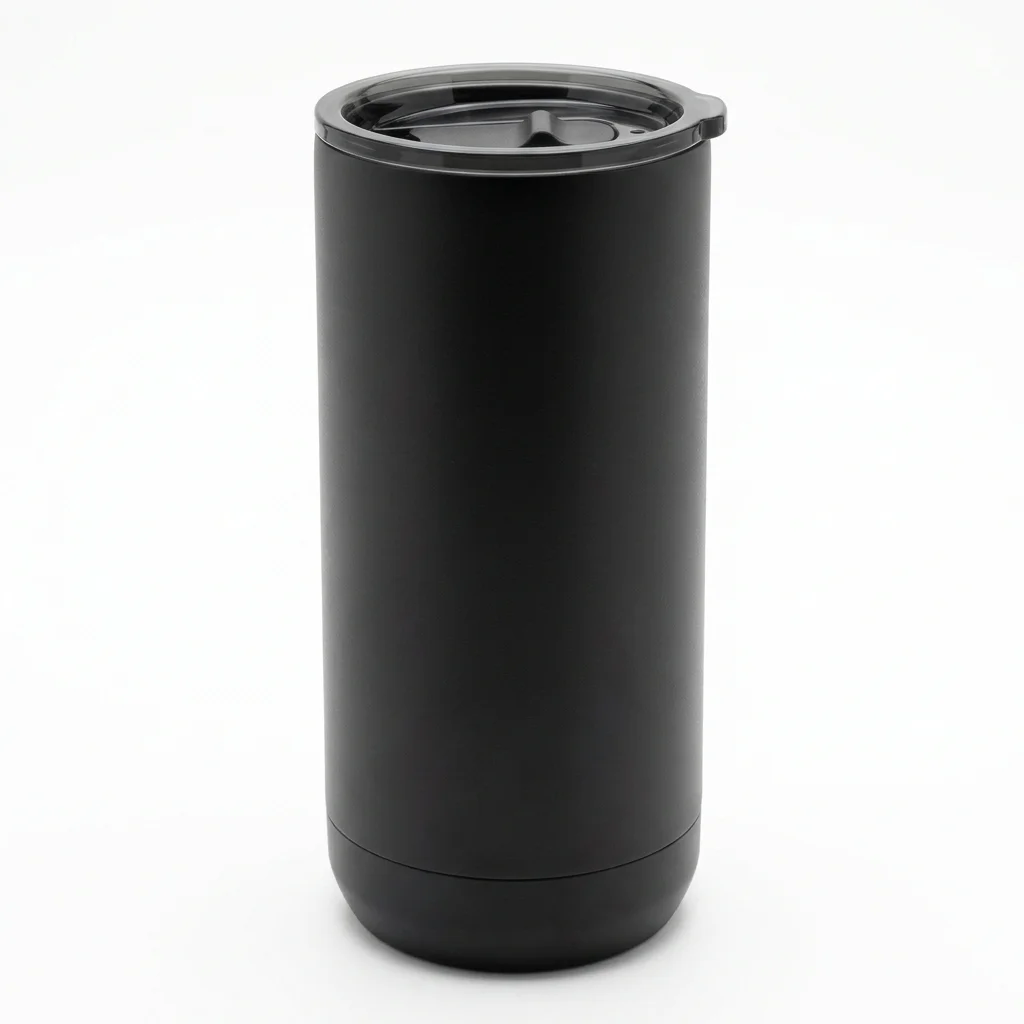
Routine 3: Leave the press on the counter and refill your mug over the course of an hour. This is the case a mug warmer does not solve. A plate warmer under the press doesn't reach into the brew — the plate is below the glass wall, and the metal plunger is what's in contact with the coffee. The press itself doesn't warm up enough to make a difference. The right tool here is either a thermos (which works but is a different product category) or a self-heating mug that holds each refill at temperature as you pour it. More on that below.
Most people reading this article are in routine 1 or 2. Routine 3 is the case where a mug warmer vs thermos decision is the real question.
Why French press coffee is different on a warmer
Three things separate French press from drip on a plate warmer.
1. The mug gets refilled. Drip drinkers pour once, drink, done. French press drinkers often pour 8 ounces, drink, then pour another 4 to 6 ounces from the press. The first pour cools to ambient on the plate, then the second pour is fresh-hot into a cool mug. The mug needs to be re-warmed by the plate between pours, or the second cup starts at a lower temperature than the first. A preheated mug and a hotter plate setting fix this — see the French press tips section of the heat guide for the preheating trick.
2. French press coffee carries more sediment. The fines that pass through the mesh filter settle at the bottom of the mug. On a 160°F plate, those fines can scorch slightly over 30+ minutes, leaving a bitter, ashy taste in the last sip. The fix isn't a different warmer — it's a cooler plate setting or a shorter session. A 130°F plate (low setting on most warmers) is enough to keep the brew drinkable without scorching the fines. The plate material explainer covers why this matters more on aluminum than glass.
3. The mug tends to be a thin-walled ceramic. French press drinkers tend to use the same mugs they'd use for drip — thin-walled ceramic in the 10 to 14 ounce range. That's the sweet spot for any standard plate warmer. If you're using a thick double-walled ceramic or a stainless travel mug as your French press mug, the plate warmer barely registers — see do mug warmers work with stainless steel mugs for why.
What to look for in a warmer for French press
Three things matter more for French press than for drip.
Even heat across the plate. French press sessions run longer than drip sessions — 60 to 90 minutes vs 20 to 40. A plate with a hot spot will scorch the bottom of the mug and leave the rim cool. Aluminum plates (most budget warmers, including the Mr. Coffee and Cosori) conduct heat evenly. Glass plates (some premium models) heat slower but also more evenly. The plate material explainer walks through the trade-off in detail.
A "low" setting that actually holds at around 130°F. The Cosori's low setting is roughly 130°F surface, the Mr. Coffee's is closer to 135°F. Both are in the right range for French press. The high setting (160°F+) is too hot for the long sessions French press drinkers tend to run — it scorches the fines and over-extracts the last sip. If you find yourself wanting the high setting, the issue is usually that your mug isn't preheated or your sessions are too long for a plate warmer at all.
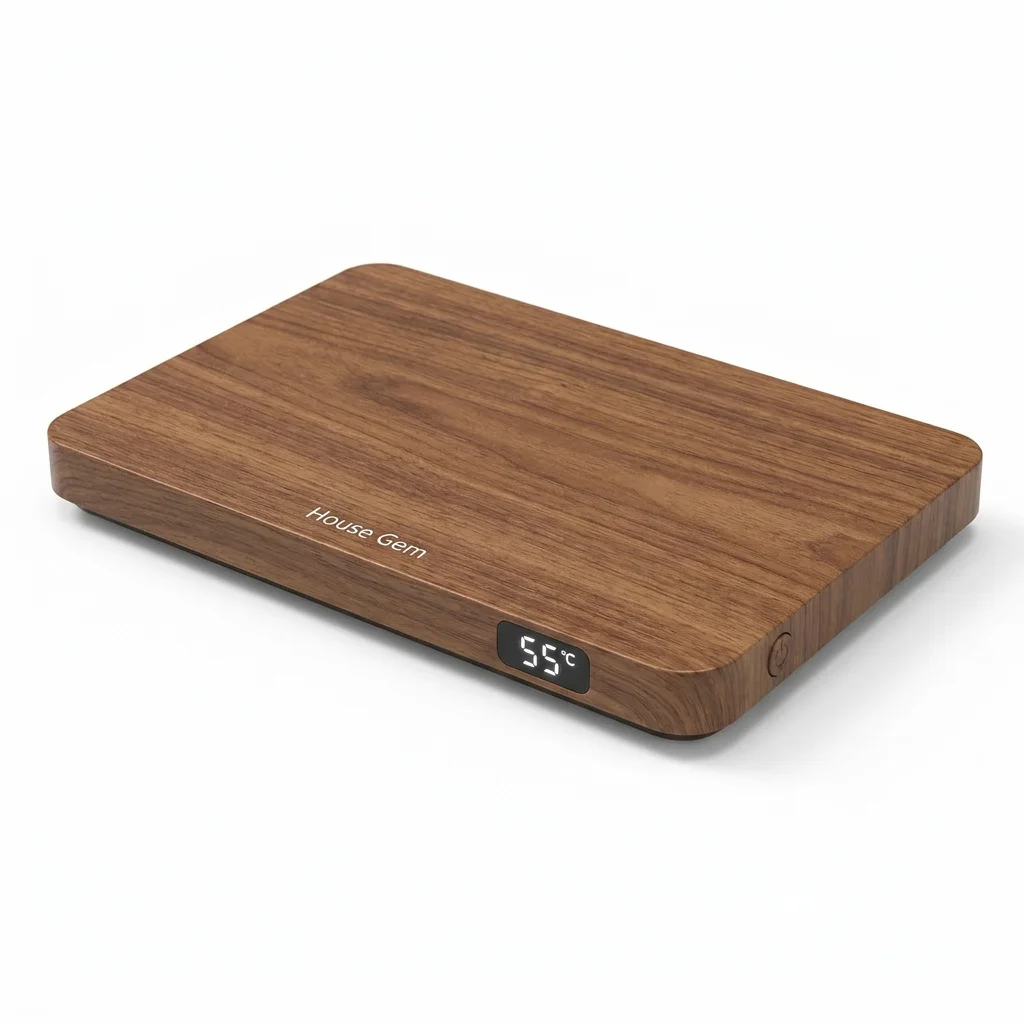
Auto shutoff that matches your session length. A 4-hour shutoff (Cosori) is more than enough for a single French press session. A 2-hour shutoff is borderline. The safety explainer covers the auto-shutoff logic in detail, but the short version: a press session that runs over the auto-shutoff limit means the warmer turns off mid-pour and you're back to ambient cooling. For long sessions (3+ hours of casual sipping from a thermos or press), look for a wider window — the House Gem 36W has a 2 to 12 hour timer.
The practical picks
For routine 1 (single mug, 30 to 60 minutes). The Cosori on low or medium. 24W is enough headroom for a thin-walled ceramic mug, the 4-hour auto shutoff covers any session length, and the low setting (around 130°F surface) is in the right range to keep French press coffee drinkable without scorching the fines. Check current price on Amazon — it's typically the budget-tier pick and rarely disappoints.
For routine 2 (sharing, two mugs in rotation). The same Cosori, or the Mr. Coffee if you want a slightly smaller footprint. The Mr. Coffee runs at 17W which is enough for a thin-walled mug on medium. It doesn't have a temperature display, so you set it and trust the click of the relay. For a one-mug-warmer-and-two-mugs setup, this is fine.
For routine 3 (long sessions, refills from the press). A plate warmer under a single mug doesn't solve this. The right answer is a self-heating mug that holds each refill at temperature. The Ember Mug 2 heats the entire mug wall, not just the bottom — so each refill from the press is held at the set temperature (typically 130 to 145°F) for as long as the battery lasts (about 80 minutes per charge). The Nextmug does the same without the app, which is enough for French press use if you don't need precise temperature control. Both check current price on Amazon at the premium end of the category.
A few French press-specific habits
Preheat the mug with hot water before pouring. The 30 seconds it takes is the single biggest improvement to the second half of the press. A preheated ceramic mug on a 130°F plate holds a comfortable drinking temperature for 45+ minutes. A room-temperature mug on the same plate is drinkable but never as good. The how-to guide covers preheating in more detail.
Pour off the press after 10 minutes, even if you're not done. Leaving the brew in contact with the grounds past 10 minutes over-extracts and turns the coffee bitter. This is a brewing-quality issue, not a warming issue — but it affects what the warmer is trying to keep warm. Decant the press into a thermal carafe or a second vessel if you're going to be sipping over an hour. The brew itself stays better; the warmer's job gets easier.
Use a thin-walled ceramic mug, not a thick one. The plate warmer is sized for a 10 to 14 ounce thin-walled ceramic mug with a flat bottom about 3 inches across. A thick stoneware mug holds heat better on its own but barely registers on a plate warmer. A stainless travel mug is essentially invisible to a plate warmer. The mug compatibility guide walks through which mugs work with which warmers.
Skip the high setting. For French press, low to medium is the right range. High is for short, hot sessions or for warming up a cold mug quickly.
The short version
A mug warmer helps a French press routine that pours into one or two mugs and sips over 30 to 60 minutes. It doesn't help a routine that leaves the press on the counter and refills from it — for that, a self-heating mug or a thermos is the right tool. For the standard routine, a Cosori on low or medium is the default; a Mr. Coffee is the budget option; a House Gem 36W is the upgrade if you want a temperature display and a longer auto-shutoff window. For long-session refills, the Ember Mug 2 or Nextmug is the right answer.
For the broader question of whether a mug warmer is worth it for any brewing method, see are mug warmers worth it. For the French press vs pour-over brewing decision itself, see the pour-over vs French press comparison.
Methodology: AI-assisted editorial assessment based on manufacturer specifications for the Cosori, Mr. Coffee, House Gem, Ember, and Nextmug (manufacturer manuals and Amazon product listings), standard French press brewing parameters (water temperature, steep time, yield), basic heat-transfer physics for long mug sessions, and aggregated verified-purchaser reports. We do not perform hands-on thermal testing of French press sessions across time. See our editorial policy for how we work.