Mug Warmers for Iced Coffee and Cold Brew: Do They Work?
Plate-style mug warmers only heat. If you want cold brew or iced coffee to stay cold at your desk, a warmer is the wrong tool. Here's what actually keeps cold coffee cold, and how one setup handles both.
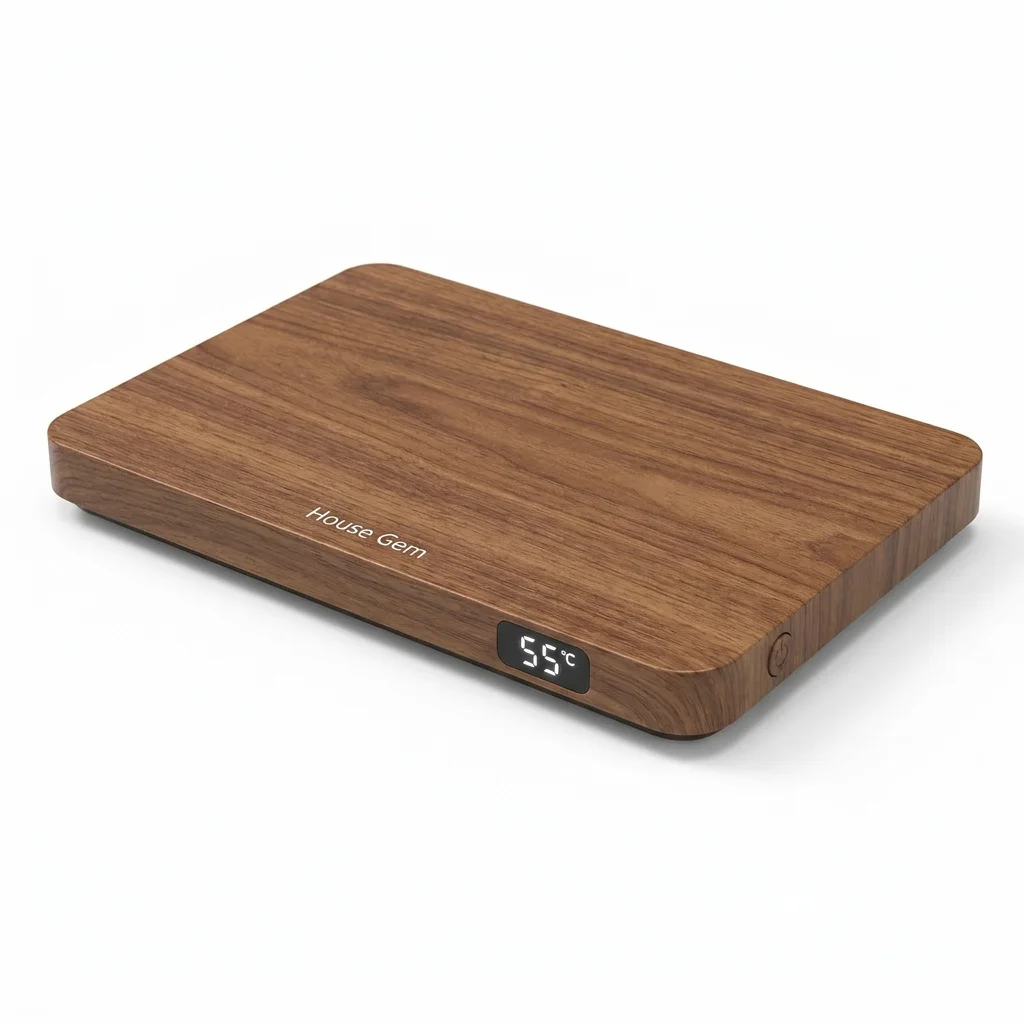
A plate-style mug warmer keeps one thing at one temperature: hot. The element under the plate runs at roughly 130–160°F, the Cosori on its high setting reaching about 160°F at the surface. That makes it great for keeping brewed coffee at drinking temperature. It also makes it exactly the wrong tool for keeping iced coffee cold.
This is what people searching for a "mug warmer for cold coffee" usually end up needing, and the honest answer is short: a mug warmer is not a cooler.
What a plate warmer actually does
A mug warmer is a low-watt heating element — typically 15–25W — bonded to a metal or glass plate. Power goes in. Heat comes out. There's no Peltier module, no compressor, no phase-change cooling. The warmer can move heat in one direction only: from the plate into the mug. It cannot pull heat out of the mug and dump it into the desk.
This isn't a design oversight. A cooler of this size and form factor would need a compressor or a Peltier junction with a heatsink, plus a fan, plus more power than the 15–25W a USB or wall outlet provides in this category. No manufacturer builds it because the use case is already served by another product: the vacuum-insulated tumbler. For background on what warmers do and don't do, see the mug warmer explainer.
What happens to cold brew on a plate warmer
Cold brew is brewed cold, served cold, and stored cold. It's typically held at 35–40°F in the fridge. The moment it leaves the fridge, it starts warming toward ambient — 68–72°F in most offices. A plate warmer under it doesn't cool it. It accelerates the warming by adding heat from below.
The realistic timeline for an 8oz pour of cold brew in a ceramic mug, no warmer:
- 0 minutes — 38°F (out of the fridge)
- 30 minutes — Around 55°F. Drinkable, properly cold.
- 90 minutes — Around 65°F. Approaching ambient. Tastes flat, less crisp.
- 3 hours — Around 70°F. Room temperature. The cold brew is now just cold-flavored brown water.
Put that same mug on a Cosori running on low (~130°F surface), and the warming is roughly twice as fast at every checkpoint. The plate is actively heating the bottom of the mug while ambient heat works the sides and top. Net effect: the cold brew goes bad twice as fast.
What happens to iced coffee on a plate warmer
Iced coffee is more forgiving than cold brew because the ice dilutes as it melts, but the direction is the same: a plate warmer makes it worse.
A typical 12oz iced coffee has about 4–6oz of ice in it. The ice absorbs heat from the coffee and the surrounding air, keeping the drink at 35–45°F as long as it's there. A plate warmer adds heat from below. The bottom of the mug warms. Heat conducts up through the liquid. The ice melts faster than it would on a passive desk. The drink warms faster and gets more diluted.
Net result: the ice is gone in 30–45 minutes instead of 90, and the drink is at room temperature within 90 minutes instead of three hours. For a sense of how this compares to the warming curve on a plate warmer, see how long a mug warmer keeps coffee hot — the same heat-loss physics, just inverted.
The right tool for keeping cold coffee cold
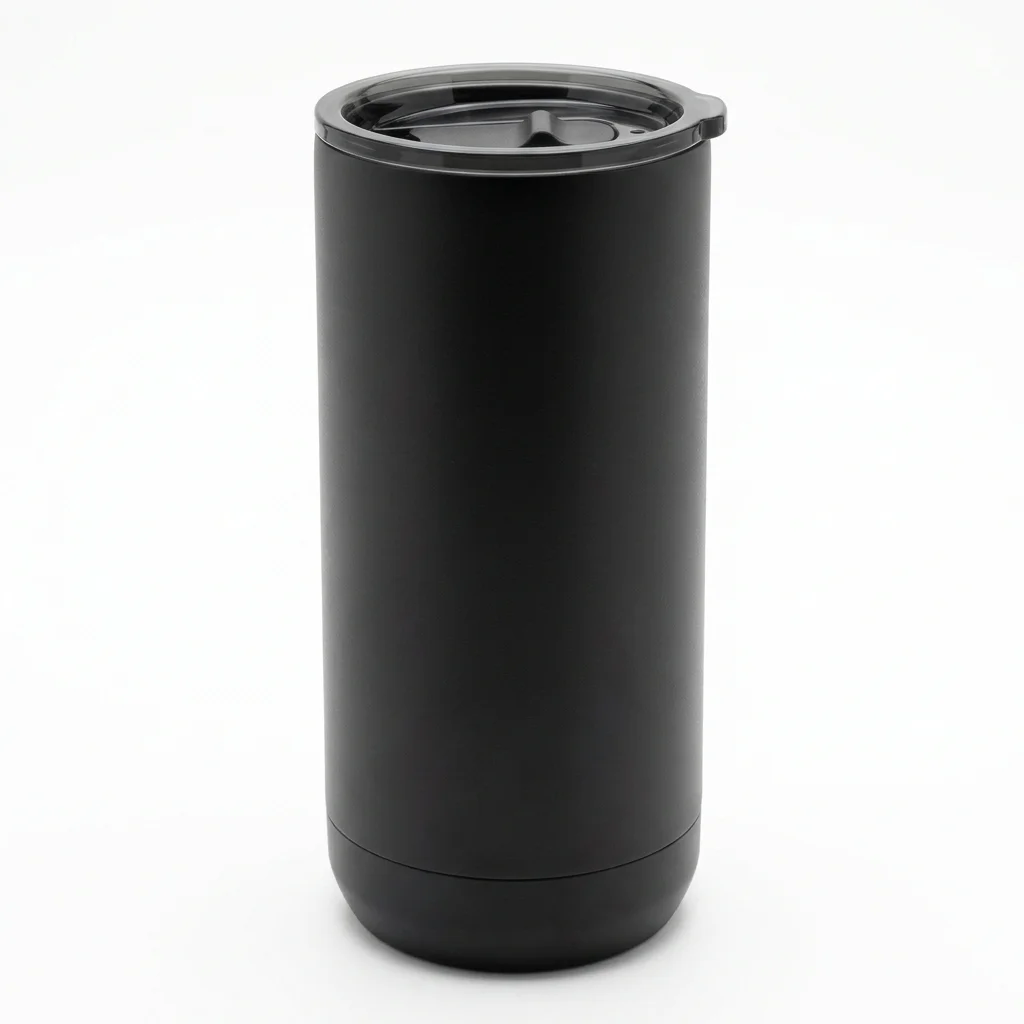
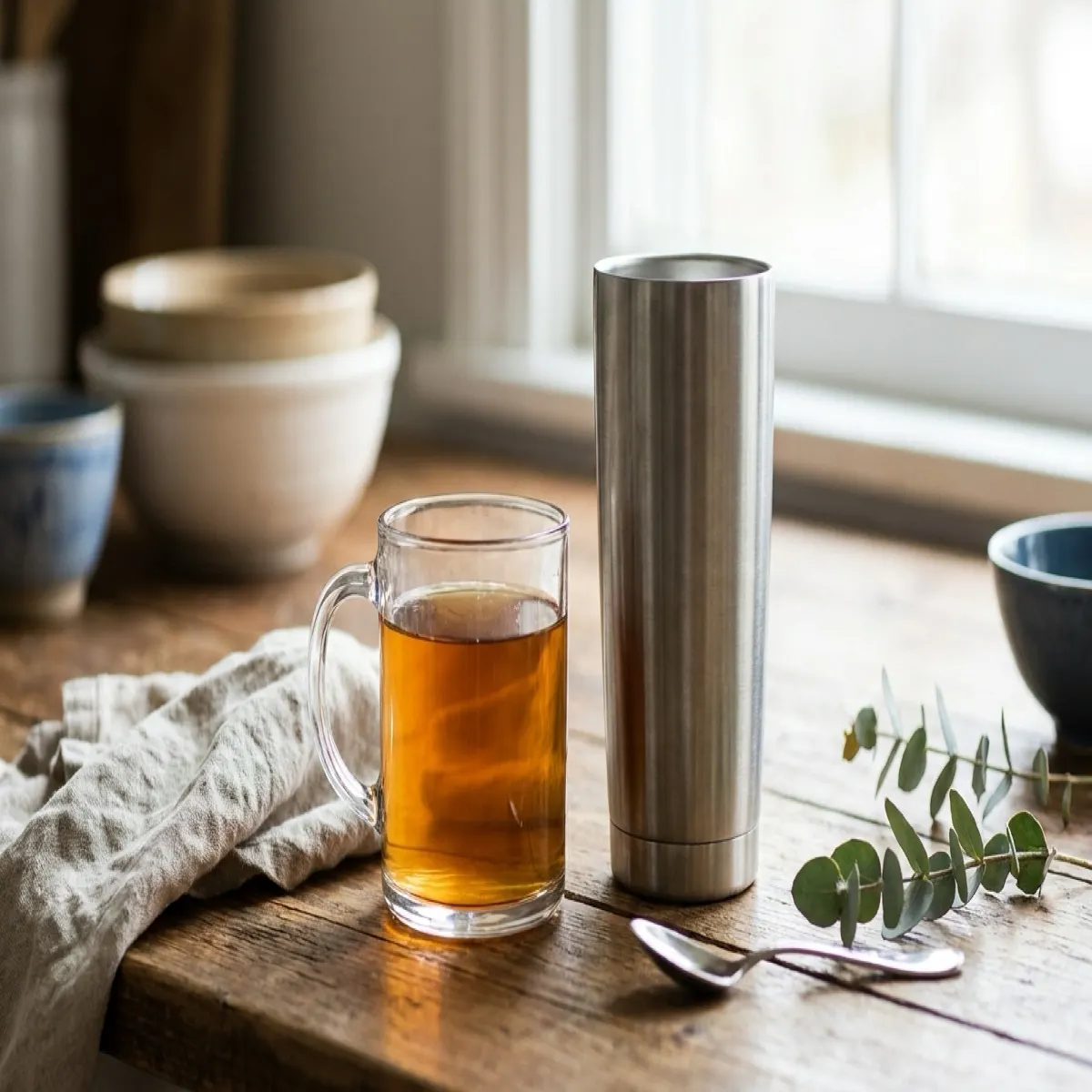
Vacuum insulation is the answer, and it doesn't need power. A double-wall vacuum-insulated tumbler — Yeti Rambler, Hydro Flask, Stanley, Owala, or equivalent — eliminates convection and conduction through the wall. Heat from the room can't get in. Cold from the drink can't get out. The same physics that makes these tumblers keep hot coffee hot for hours also makes them keep iced coffee cold for hours.
A 16oz Yeti Rambler holds ice for roughly 12–24 hours in normal office conditions. A 16oz Hydro Flask is in the same range. The drink stays at fridge temperature for the first hour or two and is still genuinely cold at the 4-hour mark. No electricity, no noise, no on/off cycling.
For how this compares to a warmer for hot drinks, see mug warmer vs insulated tumbler and mug warmer vs thermos.
The setup that actually handles both
For someone who switches between hot brewed coffee in the morning and cold brew or iced coffee in the afternoon, the right answer is two mugs and zero compromises:
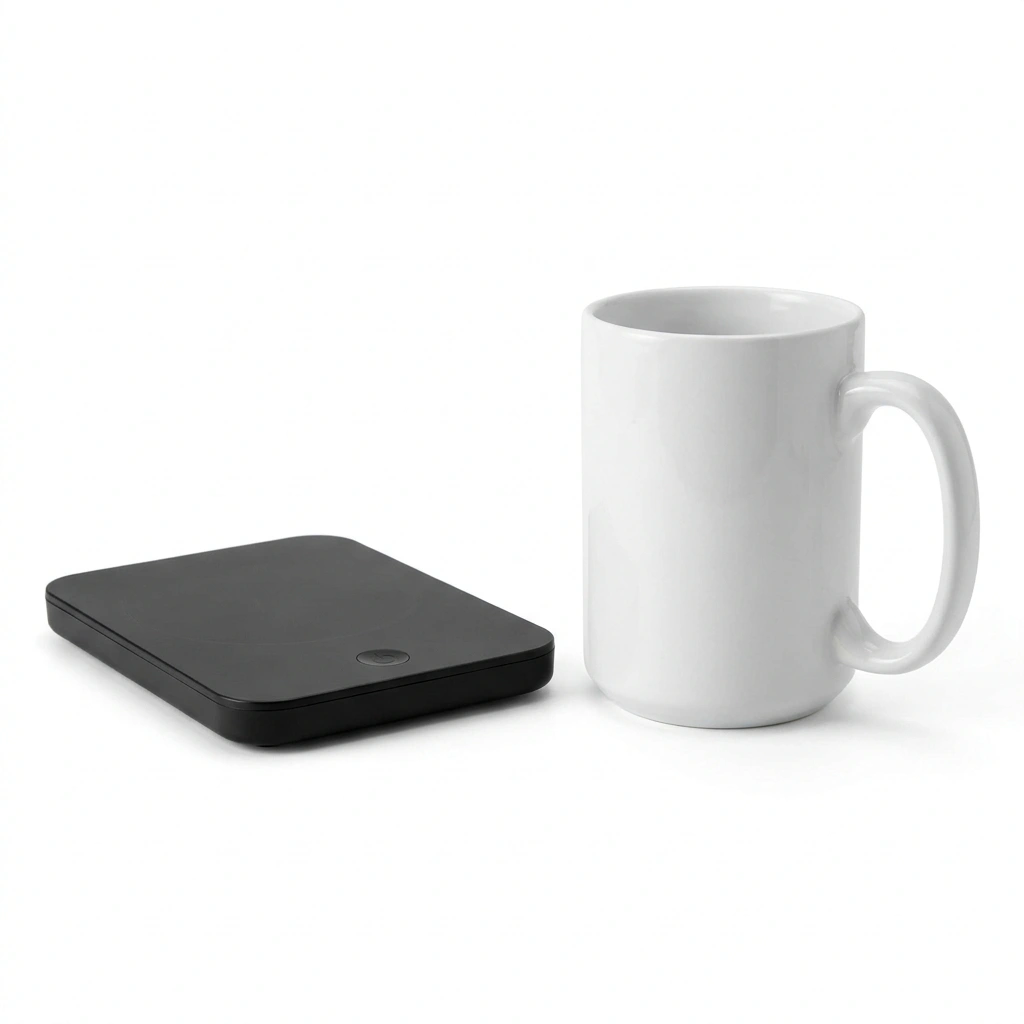
- Hot drinks: ceramic mug on a plate warmer. A flat-bottom 12–15oz ceramic mug on a Cosori or Mr. Coffee. The coffee stays at 130–145°F for the full session. This is what plate warmers are designed to do.
- Cold drinks: vacuum-insulated tumbler. A 16oz Yeti Rambler or equivalent. No power. The cold brew or iced coffee stays at fridge-cold for 2–4 hours and is still properly cold at 8 hours.
- One premium option if you want one mug that handles both: the Ember Tumbler. Battery-powered, double-wall vacuum, 16oz. Holds cold brew cold via the vacuum and holds hot coffee at a set temperature via the active heater. Premium-tier price, but it's the only single product that does both jobs reasonably well.
The plate warmer doesn't enter the picture for cold drinks at all. It's the wrong category for that job.
The one thing smart mugs don't do
Smart heated mugs like the Ember Mug 2 hold liquid at a set temperature between roughly 120°F and 145°F. That's a heating range, not a cooling range. They don't actively cool ambient liquid below room temperature. A cold brew poured into an Ember Mug 2 will warm to whatever temperature the mug is set to, just like a plate warmer would. The Ember is a heater with a precise thermostat, not a refrigerator.
The short version
A plate-style mug warmer keeps hot coffee at drinking temperature. It cannot keep cold coffee cold. If your desk routine includes both hot and cold coffee, the right setup is two mugs — a ceramic mug on a plate warmer for hot, a vacuum tumbler for cold. The premium tier folds both jobs into one product, at premium-tier cost.
For more on how plate warmers fit into a broader desk coffee setup, see the WFH desk coffee guide.
Methodology: AI-assisted editorial assessment based on manufacturer specifications for the Cosori, Mr. Coffee, and Ember product lines (manufacturer manuals and Amazon product listings), basic heat-transfer physics for plate warmers and vacuum-insulated vessels, and aggregated verified-purchaser reports. We do not perform hands-on thermal testing of plate warmers or tumblers. See our editorial policy for how we work.