How Long Does a Mug Warmer Keep Coffee Hot?
A realistic timeline for how long a mug warmer holds coffee at drinking temperature — and what changes the curve in either direction.
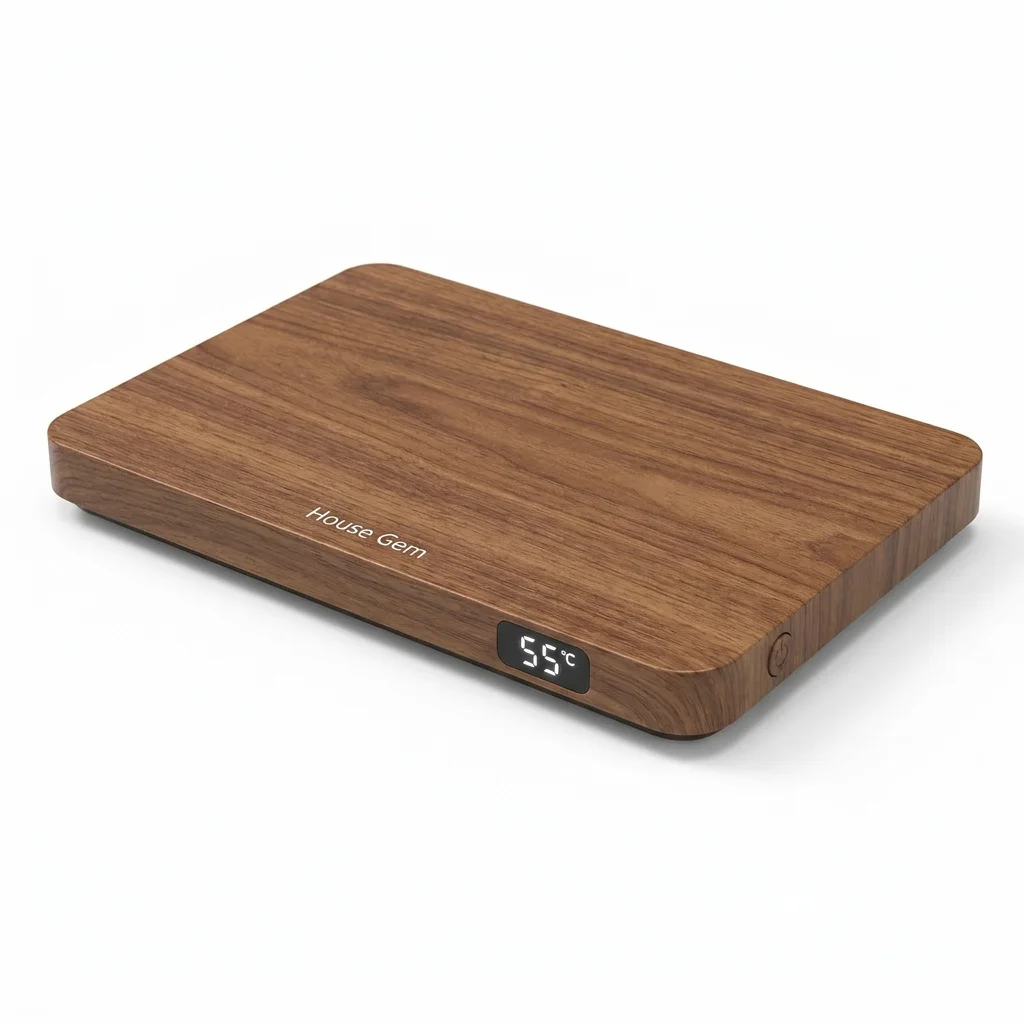
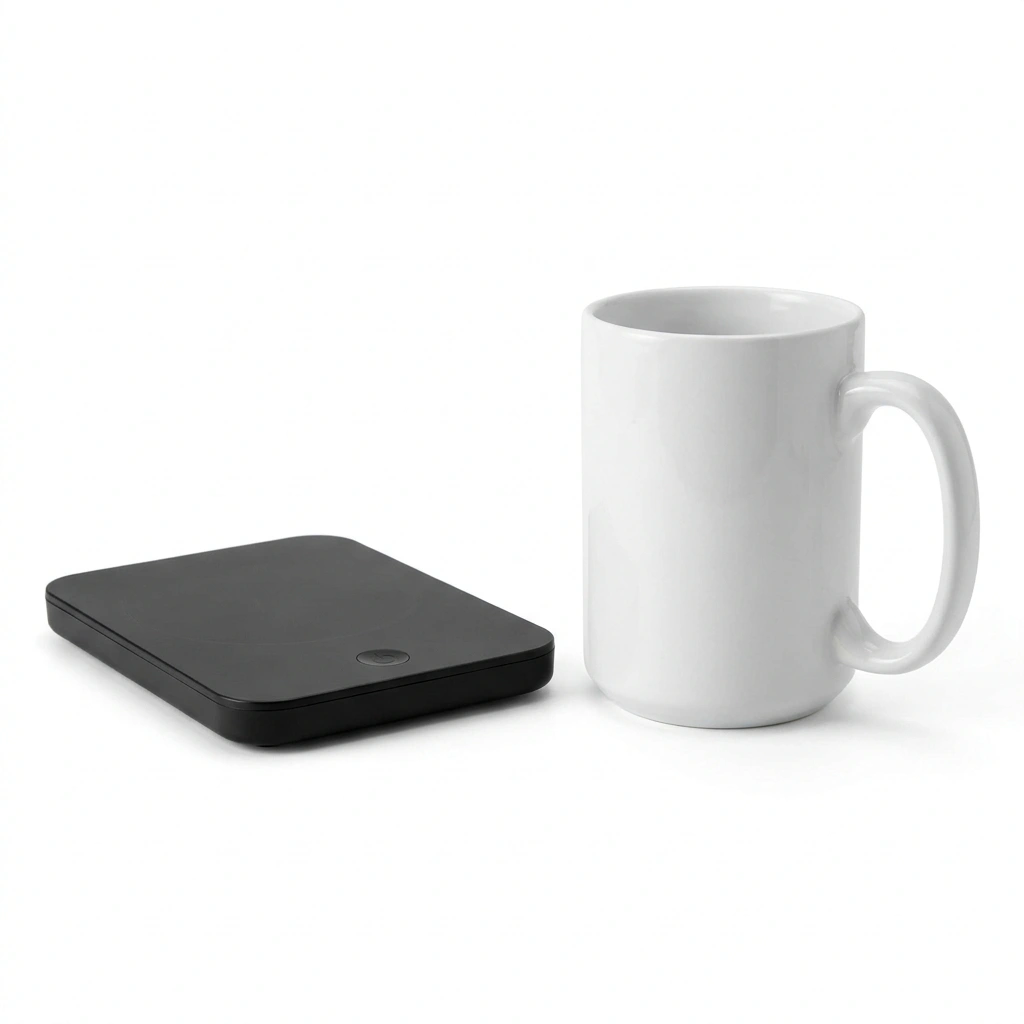
A standard plate-style mug warmer holds coffee at drinking temperature for about 3 to 4 hours from a fresh pour. Past the 4-hour mark, most warmers either auto-shut off or the coffee has cooled past the point where the plate can keep up.
That's the short answer. The long answer is more useful, because the curve depends on the warmer, the mug, and your desk.
The realistic timeline
For a 10–12oz pour into a flat-bottom ceramic mug on a budget plate warmer running on its medium or high setting:
- 0–30 minutes — Coffee is at near-pour temperature. The plate is mostly catching up to the mug, not the other way around.
- 30–90 minutes — The sweet spot. Coffee sits at roughly 130–145°F at the top of the mug, depending on the setting. Feels freshly poured.
- 90 minutes–3 hours — Temperature drops to around 115–125°F. Still drinkable, not hot. The plate is matching heat loss but can't push the coffee any hotter than its own surface temperature.
- 3–4 hours — Lukewarm. The plate is still on, but the coffee has settled into thermal equilibrium with the desk.
- Past 4 hours — Most warmers with auto shutoff have cut power by now (the Cosori shuts off at 4 hours on the dot, per spec). Without shutoff, the coffee slowly drifts to room temperature.
These numbers are not universal. They're the realistic shape of the curve for a typical 17–24W plate warmer. Smart heated mugs, like the Ember Mug 2, behave differently — see the section at the bottom.
What makes the curve flatter (or steeper)
Mug material matters more than the warmer. A thick stoneware or double-walled ceramic mug holds heat dramatically longer than a thin porcelain mug. The mug is an insulator, and a heavy one buffers the cooling. For background on why mugs make such a difference, see our explainer on what a mug warmer actually does.
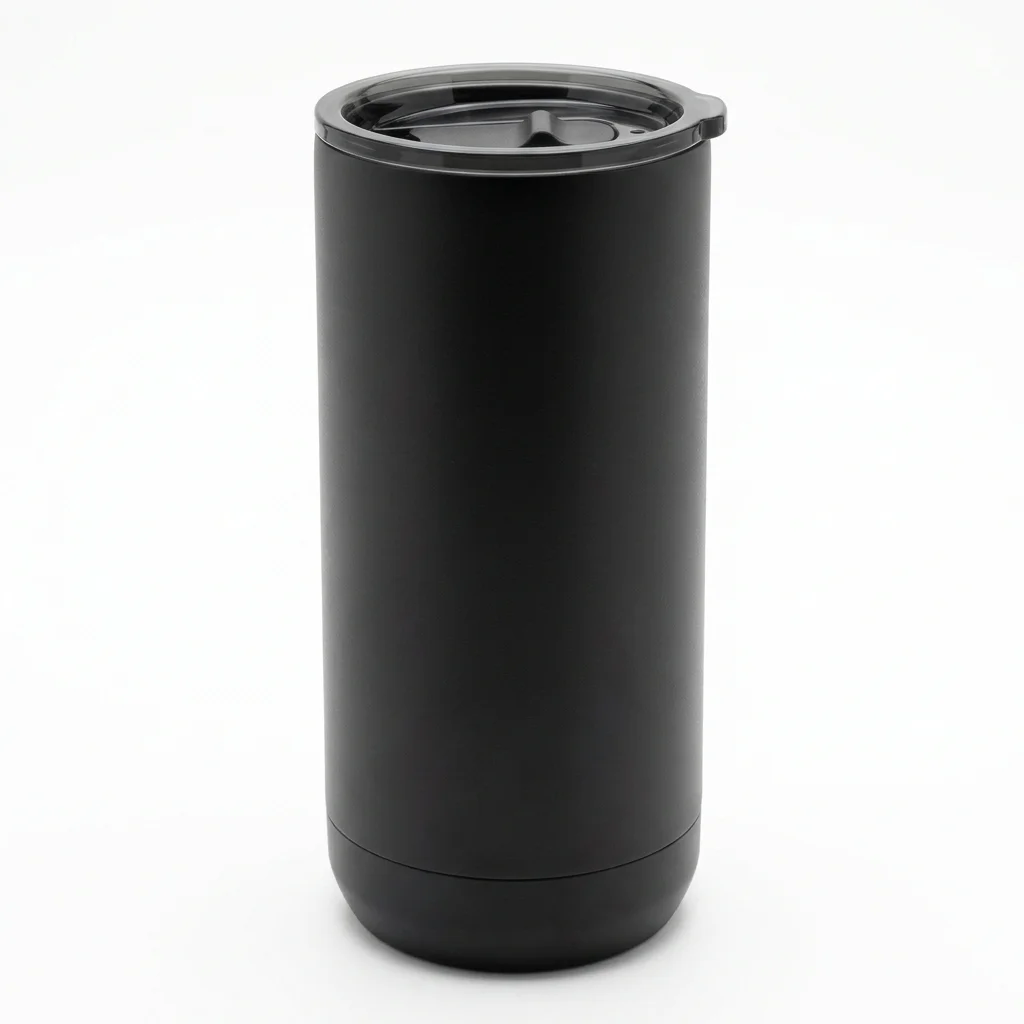
Bottom width and contact. Most plate warmers are designed for flat-bottom mugs in the 2.5"–3.5" range. A narrower mug makes partial contact with the heating element. A curved-bottom travel mug barely warms at all — only the tiny ring touching the plate gets heat.
Lid on or off. A covered mug loses heat much more slowly than an open one. Evaporation off the surface is the dominant cooling mechanism for a still mug. A simple ceramic lid or a small plate over the top adds 30–60 minutes of usable warmth with zero cost.
Starting temperature. A pour that came off a proper brew temp (195–205°F) into a preheated mug starts much higher than a pour that came off a drip machine at 170°F. The warmer can hold whatever you give it, but it can't heat cold coffee back to hot — that's a microwave job.
Desk conditions. A mug near a window, under an AC vent, or in direct cross-breeze cools noticeably faster than a mug in a still corner of the desk. Ambient temp swings the entire curve by 10–20 minutes.
Why your warmer might be underperforming
Most complaints that a mug warmer "doesn't keep coffee hot" come down to one of three things:
- The mug is too narrow or curved-bottom. Plate coverage is poor. Switch to a flat-bottom mug in the 3" range.
- The plate is set to low. Many warmers default to a low/eco setting. Bump to medium or high for the first 30 minutes, then drop to low once the coffee is at temperature.
- The mug is thin porcelain. Replace it with a heavier ceramic or stoneware mug. The fix is free.
For more hands-on tuning tips, see our guide to keeping coffee hot at your desk.
Plate warmers vs smart heated mugs
A plate warmer is a passive system from the coffee's perspective. Heat enters from below, convection distributes it, and the top of the coffee is always a few degrees cooler than the bottom. It's a slow, lossy process.
A smart heated mug, like the Ember Mug 2, flips this. The heating element is built into the mug wall itself, so the entire liquid mass is held at one set temperature for the full battery life — about 80 minutes per charge, or all day on the included charging coaster. The trade-off is the price tier and the hand-wash-only build.
If you just want coffee to stay drinkable for 2–3 hours while you work, a budget plate warmer is the right tool. If you want the same sip at the end as the start, every time, the premium tier is where that happens.
The auto shutoff factor
Most plate warmers in the budget and mid-range cut power somewhere between 4 and 8 hours. This is an auto-shutoff feature, not a thermal limit. The plate is perfectly capable of running longer; the timer exists to cut power when nobody is paying attention to the mug anymore.
If you regularly nurse coffee past 4 hours, either pick a warmer with a longer shutoff window or expect to bump the power button once mid-afternoon.
Methodology: AI-assisted editorial assessment based on manufacturer specifications for plate warmers in the 17–24W range, published thermal testing of common models, and aggregated verified-purchaser reports. We do not perform hands-on testing. See our editorial policy for how we work.