Mug Warmer vs Microwave: Which Keeps Coffee Tasting Better?
A side-by-side look at what microwaving does to coffee flavor versus what a mug warmer does — and when to use each.
Microwaving a cold cup of coffee and pouring it into a mug warmer feel like they should do similar things. They don't, and the difference is large enough that anyone who cares about how their coffee tastes will have a strong opinion.
This is the side-by-side.
What microwaving actually does to coffee
Coffee that's been sitting for 90 minutes is in a chemically different state than fresh coffee. The compounds that produce the bright, complex flavors have oxidized. The volatile aromatics — the stuff that makes coffee smell like coffee — have evaporated. What's left is a flatter, more bitter liquid.
Microwaving does two things:
- Heats it back up. Microwaves excite water molecules, generating heat. The coffee comes back to drinking temperature.
- Doesn't restore what was lost. The oxidation products are still there. The volatile aromatics are still gone. Microwaving heats a liquid that has already lost most of what made it taste good.
The bitter taste people associate with "reheated coffee" is partly the original oxidation and partly a new contribution: heating coffee above 165°F accelerates the breakdown of chlorogenic acids into more bitter compounds. Microwaving takes the cup to 170-180°F. The coffee is now bitter from both directions.
Microwaving also heats unevenly. The center of the cup can be 20°F hotter than the edge. That thermal gradient is part of the "off" taste — a small but real contributor.
What a mug warmer does differently
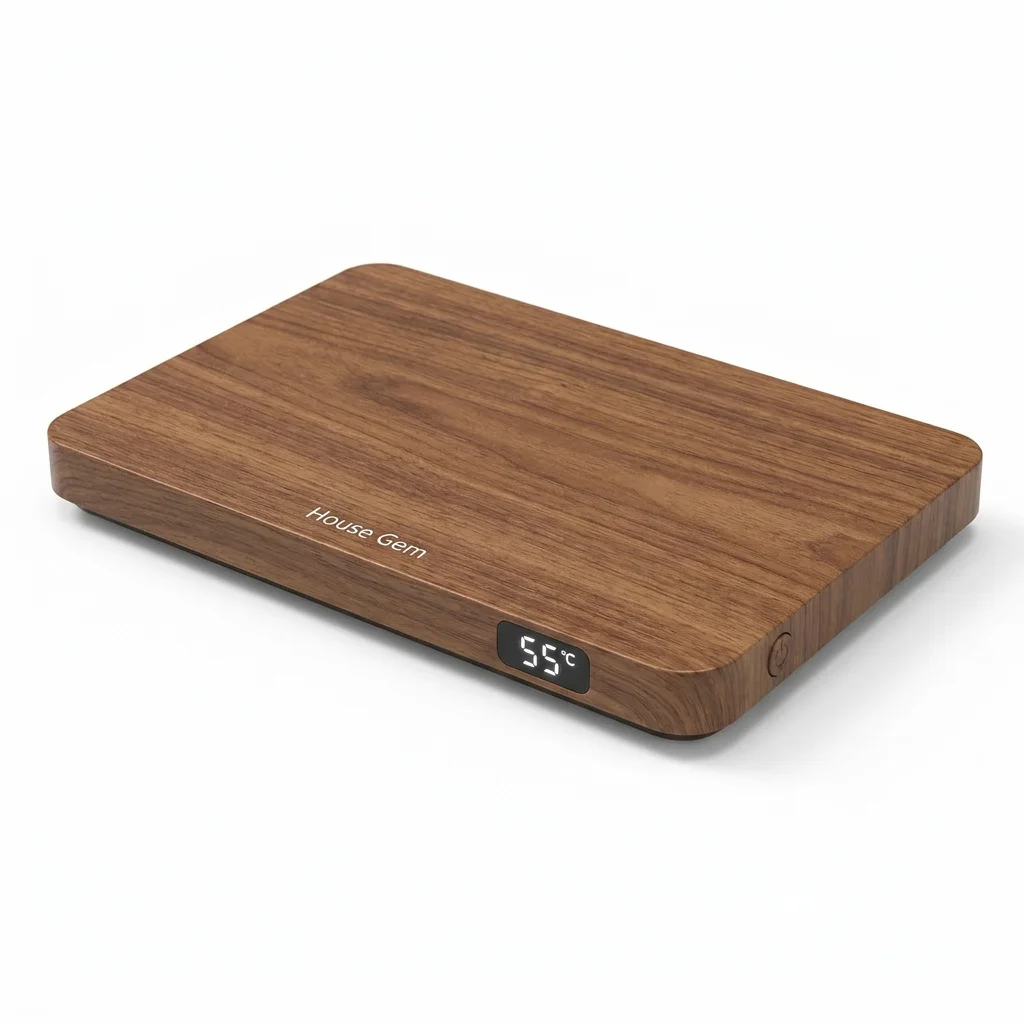
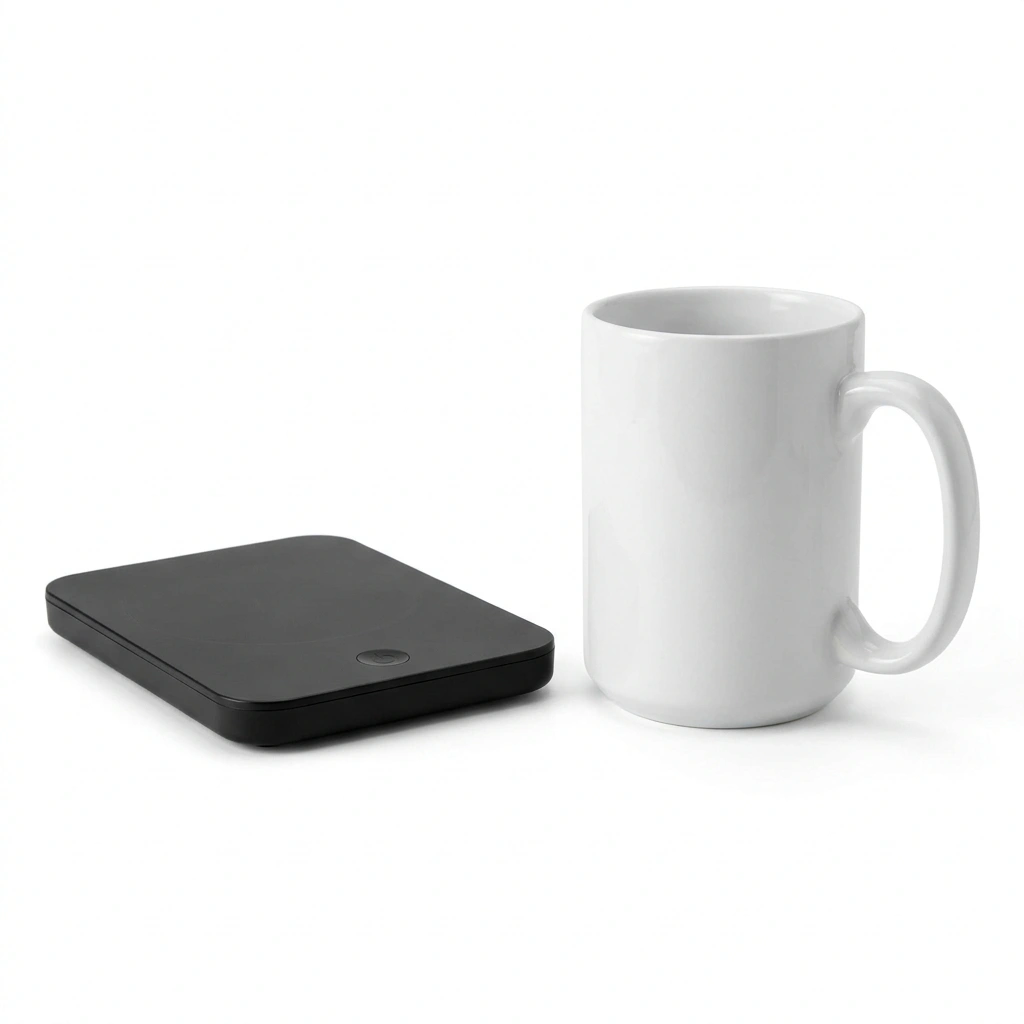
A mug warmer doesn't restore the lost aromatics or undo the oxidation. It just slows the loss. Two things change:
- The coffee never gets very cold. Volatile aromatics are released from hot coffee, but they're released more slowly at lower temperatures. A mug warmer at 130-140°F holds the coffee in a "drinkable but not boiling" state, which preserves more of what's left.
- The coffee doesn't go through a reheat cycle. There's no temperature spike to 180°F, so no accelerated acid breakdown. The cup you finish at 3pm is in a similar chemical state to the cup you poured at 9am.
The taste difference is real but it doesn't make the warmed coffee taste like fresh coffee. It makes the warmed coffee taste like a less-ruined version of itself.
The honest comparison
If the choice is "let the coffee get cold for 90 minutes" or "microwave it back to hot," the warmer is clearly better. Coffee held at 130-140°F for 90 minutes tastes more like coffee than coffee that was cold for 90 minutes and then nuked to 170°F.
If the choice is "drink the fresh coffee in the first 30 minutes" or "use a warmer to keep it drinkable for 90 minutes," the warmer is the worse of two good options. Fresh coffee is always going to taste better than kept-warm coffee. The warmer is a way to make a long desk session tolerable, not a way to make coffee taste good for hours.
When the microwave is the right call
There are two situations where the microwave is correct:
- You forgot about the coffee entirely. If it's been sitting for 2+ hours and is room temperature, the warmer can't bring it back. Microwaving it to hot is the only way to make it drinkable. Yes, the taste will be worse, but cold is worse.
- You have 30 seconds and need it hot now. A microwave is the only tool that does this. A warmer can only maintain; it can't recover.
In both cases, accept that the result will taste worse than fresh coffee. The microwave is the emergency tool.
The middle path: warm + microwave
For the "started coffee 2 hours ago, want it hot now" case, the best of both worlds is a hybrid: put the cup on the warmer at 9am, drink it as is at 11am, microwave it briefly at noon if you want it hot.
The microwave runs for 20-30 seconds instead of 60. The temperature spike is smaller. The taste damage is smaller. The warmer did the slow part, the microwave did the recovery.
What this means for your setup
If you drink coffee across a long desk session, the Cosori or any mid-tier plate warmer is the right call. You'll never microwave at all.
If you drink coffee in 30 minutes, no warmer needed.
If you drink coffee across a long session but also need it hot at the end, get the warmer for the bulk of the time and accept that the last 30 minutes might need a 20-second microwave.
The microwave isn't the enemy. The enemy is reheating coffee to 170°F and pretending it tastes good. The warmer avoids that cycle.
For the temperature-timeline math (when does the warmer stop working well?), see how long a mug warmer keeps coffee hot.
Methodology: AI-assisted editorial assessment based on manufacturer specifications, food-science references, and aggregated verified-purchaser reviews. We do not perform hands-on testing. See our editorial policy for how we work.