7 Ways to Keep Coffee Warm Without Electricity
Practical non-electric ways to keep a desk mug of coffee warmer for longer — and what each one actually does for you.
A mug warmer is the obvious answer, but it's not the only one. Seven practical, no-electricity ways to keep a mug of coffee warm longer, ranked by how much each one actually does.
This is the list.
1. Preheat the mug
The single biggest non-electricity improvement you can make. Pouring 200°F coffee into a room-temperature ceramic mug drops the temperature 10-15°F instantly. The mug absorbs the heat. The coffee cools faster.
How to do it: rinse the mug with hot water for 30 seconds, dump it, then pour. The mug is now at near-coffee temperature. The coffee stays at 195-200°F for the first 5 minutes instead of dropping to 185°F.
Effect: 5-10 minutes of additional drinkable time. The cheapest, fastest, most-impactful thing on this list.
2. Use a thicker mug
A thin porcelain mug (1/8" wall) loses heat fast. A thick stoneware or double-walled ceramic mug loses heat much slower. The mug itself becomes the insulator.
How to do it: swap to a heavy stoneware mug, a double-walled ceramic, or a thick-walled stainless travel mug. The weight is a tell — heavier usually means thicker.
Effect: 10-15 minutes of additional drinkable time. The mug becomes a passive insulator. Pair with #1 for compounding effect.
3. Cover the mug
A ceramic lid, a small plate, or even a paper muffin liner on top slows evaporation. The liquid surface is the fastest heat-loss path for a still mug.
How to do it: if the mug has a lid (Ember, Nextmug, and most travel mugs), use it. If not, a small ceramic plate or saucer on top of the mug works. A silicone cover, a cork lid, a paper liner in a pinch.
Effect: 5-10 minutes of additional drinkable time. The lid is also a spill guard, which is a free secondary benefit.
4. Wrap the mug
A neoprene cozy, a small towel, or even a folded scarf wrapped around the mug reduces convective cooling from the sides. The air between the wrap and the mug warms up, and that warm air is the insulator.
How to do it: buy a dedicated neoprene sleeve for your mug (cheap, custom-fit for many popular mugs), or wrap a small dish towel around it. The visual is less polished than a sleeve but the function is the same.
Effect: 10-15 minutes of additional drinkable time. The wrap is removable when you want to actually drink, which makes it less invasive than a lid.
5. Move away from the window
Direct sunlight feels nice but causes inconsistent heating. A cold draft from a window gap actively cools the mug. Both reduce the time the coffee stays drinkable.
How to do it: back-of-the-desk placement, away from windows and HVAC vents. The change is invisible but the effect is real.
Effect: 5-10 minutes of additional drinkable time, mostly by avoiding the worst heat-loss conditions.
6. Smaller pours, more often
Two 6oz refills stay hotter longer than one 12oz pour that sits for 90 minutes. The surface-to-volume ratio matters — a smaller volume cools faster initially but recovers faster from a reheat.
How to do it: if your coffee setup allows, brew smaller amounts and pour fresh more often. The downside is you make more coffee. The upside is each cup is fresh.
Effect: hard to measure in minutes, but the experience of "always fresh" is meaningfully better than "the same 12oz has been sitting for 90 minutes."
7. Use a vacuum-insulated secondary container
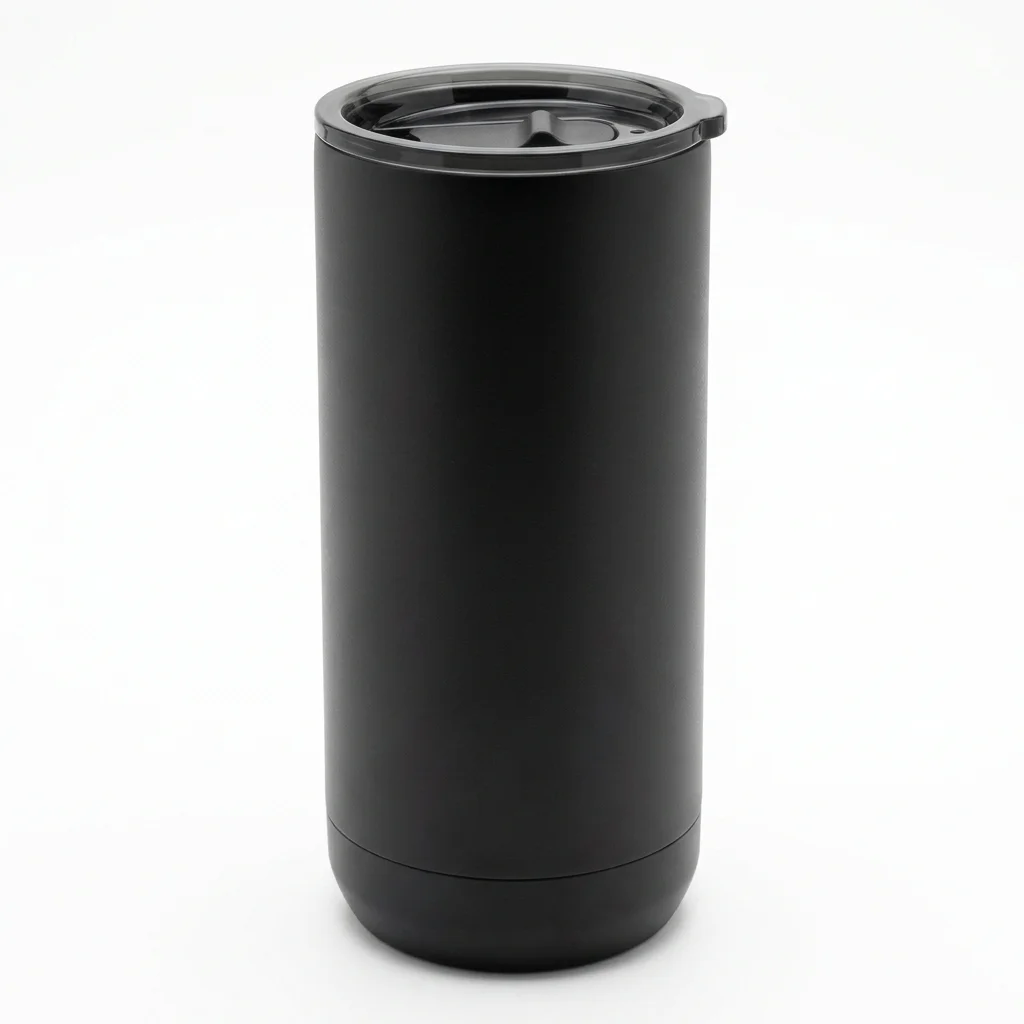
A high-quality thermos (Yeti, Hydro Flask, Stanley) keeps coffee hot for 2-4 hours passively, no power. The trade-off is the coffee is in a sealed container for part of the day.
How to do it: brew at home or in a kitchen, pour into a thermos, drink on the way to work. At the desk, top off your mug with coffee from the thermos. The thermos is the active warming tool; the mug is the drinking tool.
Effect: 2-4 hours of "near-brew temperature" coffee. The biggest single-tool improvement on this list, by a wide margin.
What these add up to
Used together:
- Preheat the mug (#1)
- Use a thick mug (#2)
- Cover it (#3)
- Wrap it (#4)
- Smaller pours (#6)
That's about 30-45 minutes of additional drinkable time, with no electricity, no equipment, and no cost. The marginal cost is changing the mug you use.
Used with a thermos (#7) plus preheating (#1) plus a thick mug (#2), the time extends to 2-3 hours with the coffee still near-brew temperature. The marginal cost is a $30-50 thermos.
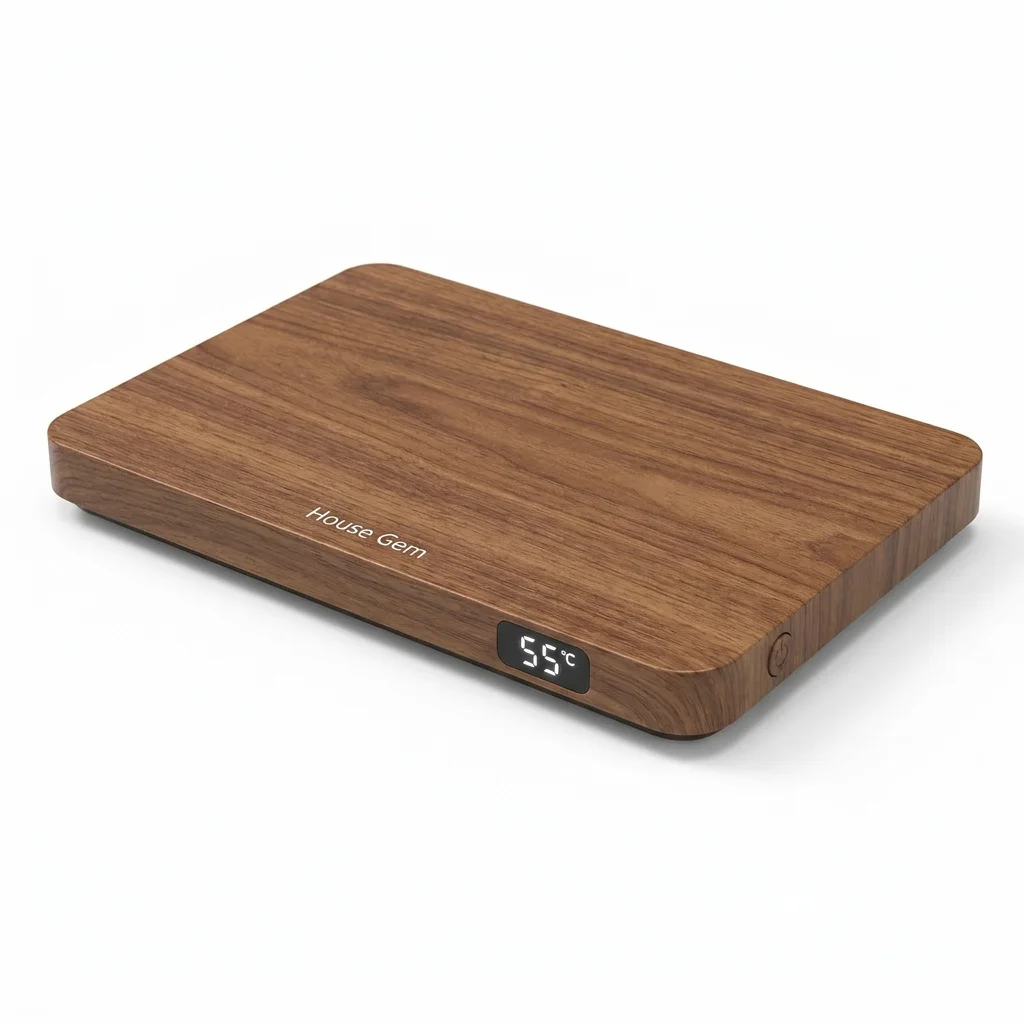
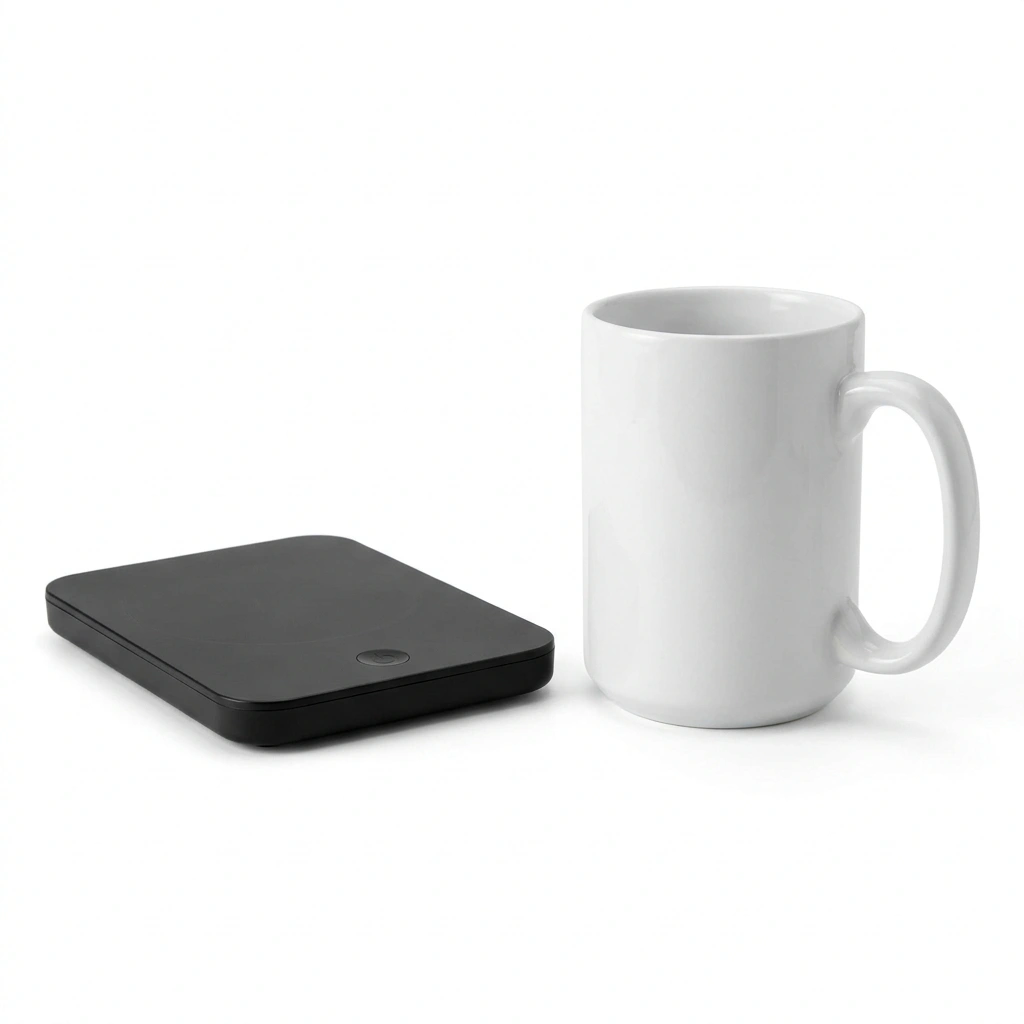
A mug warmer does most of this, automatically, with electricity. For a desk worker, the Cosori plate warmer is the equivalent of all seven of these in one device.
When these matter
If you can't plug in a mug warmer (commute, travel, no nearby outlet), the seven above are the alternatives. The thermos is the strongest single-tool answer.
If you have a mug warmer, these are still useful as complements:
- Preheat the mug before putting it on the warmer (faster warm-up)
- Use a thick mug so the warmer's heat transfers efficiently
- Cover the mug to prevent evaporation that the warmer can't recover from
The mug warmer + preheated thick mug is the highest-performance setup you can get for desk coffee.
For more on the broader question of how long a mug warmer can extend coffee's drinkable time, see how long a mug warmer keeps coffee hot.
Methodology: AI-assisted editorial assessment based on basic thermal physics, manufacturer recommendations, and aggregated verified-purchaser reviews. We do not perform hands-on testing. See our editorial policy for how we work.