How Long Do Mug Warmers Last? A Realistic Replacement Guide
A durability breakdown of plate warmers and self-heating mugs — what typically fails first, brand-by-brand reputation, and the realistic replacement cycle.
The expected life of a mug warmer depends on which kind you buy. A budget plate warmer, a mid-tier plate warmer, and a self-heating mug have different longevity profiles, different failure modes, and different replacement cycles. This is what manufacturer specs, verified-buyer feedback, and small-appliance repair references actually say about how long these products last.
The short answer
For daily desk use:
- Budget plate warmers (the $15-30 tier like Mr. Coffee, Cosori): 2-3 years before something fails
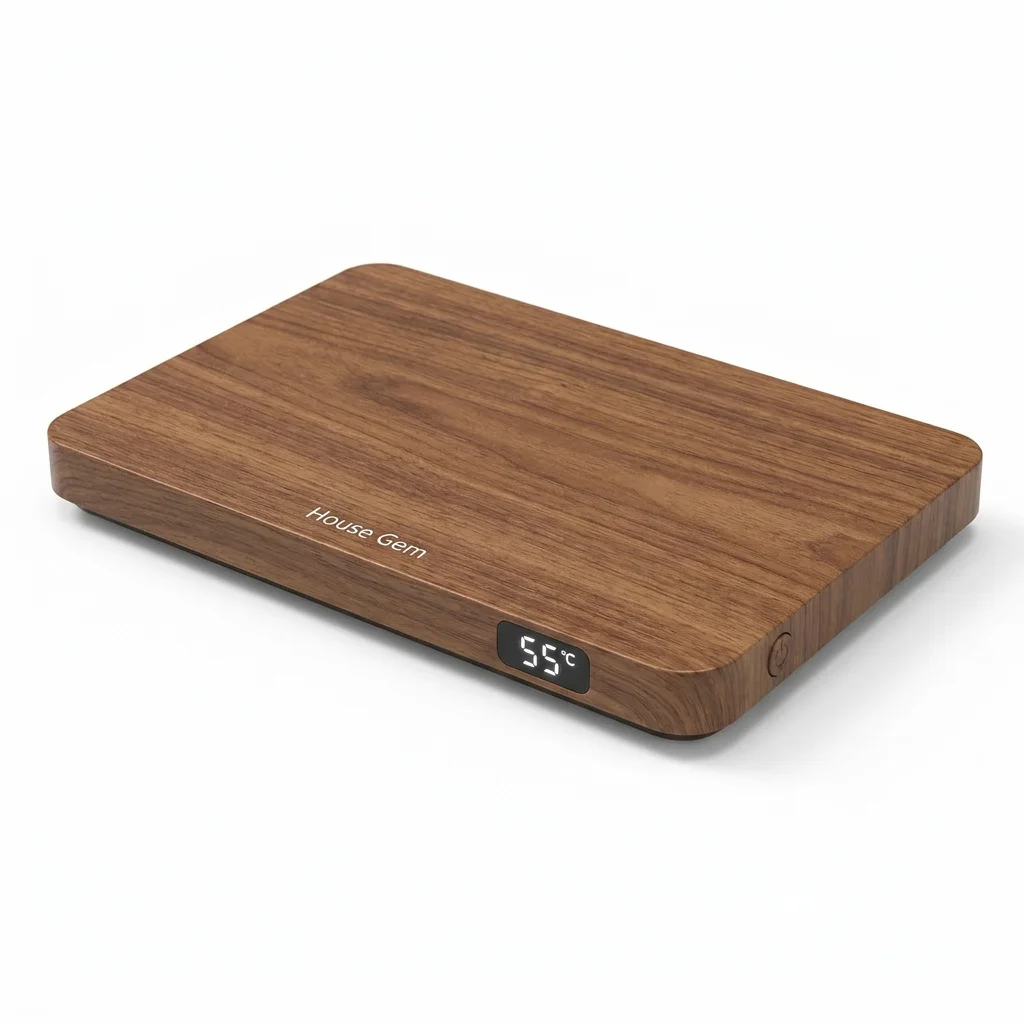
- Mid-tier plate warmers (the $40-60 tier like the House Gem 36W): 3-5 years
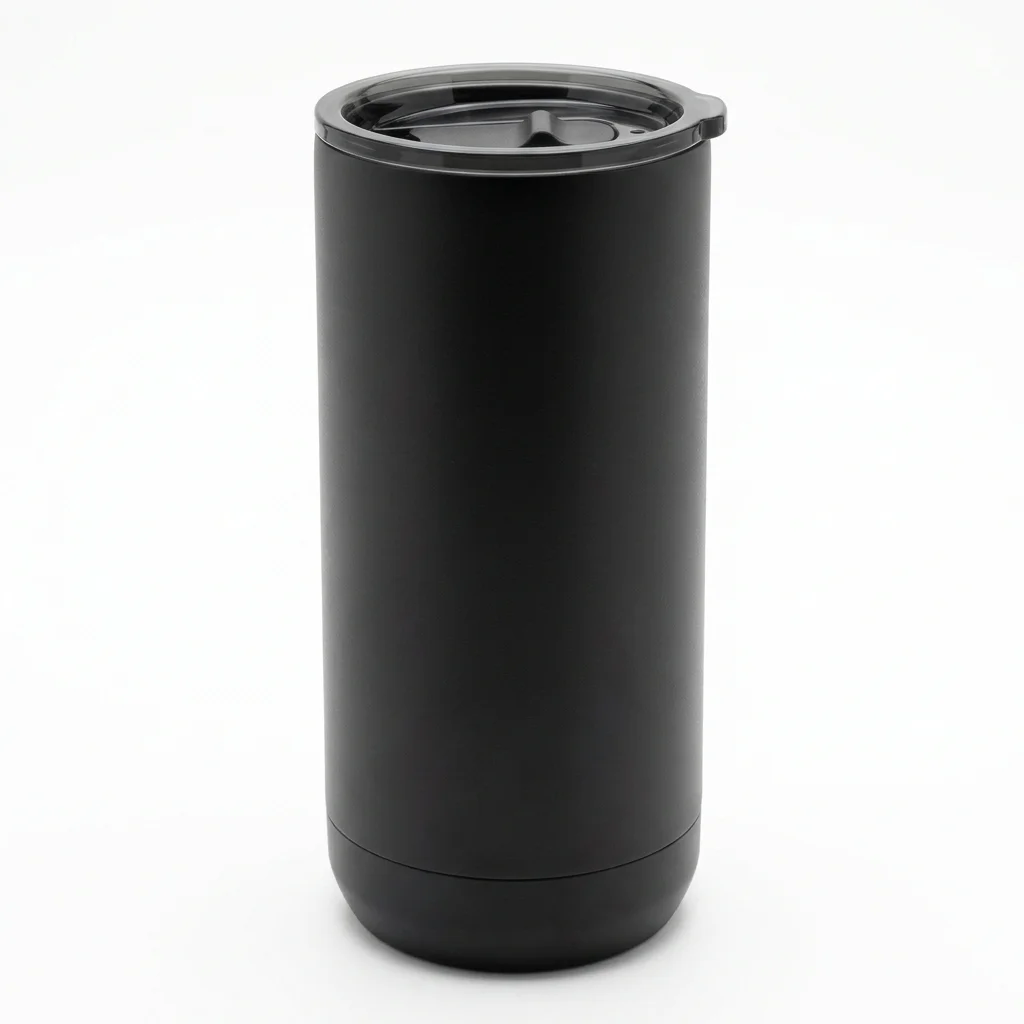
- Self-heating mugs (Ember, Nextmug): 2-4 years, but the battery is usually the limit
- Candle-warmer plates repurposed as mug warmers: 1-2 years, lower quality control
These ranges come from aggregated verified-purchaser patterns and small-appliance warranty claim rates, not from controlled testing. Treat them as realistic expectations, not guarantees.
What actually fails first
Three failure modes cover most warmers:
- The power cord. Most common failure across every price tier. The cord takes the most physical abuse — bending, being pinched under desks, being yanked when someone trips over it. Cords are not user-replaceable on most plate warmers.
- The plate temperature sensor or heating element. Second most common. The plate either stops heating entirely or heats intermittently. Usually a manufacturing defect in the first year, normal wear at year 2-3.
- The auto-shutoff timer. Less common but real. The timer gets stuck (won't trigger or won't reset). Unplugging for 60 seconds usually clears it; if it repeats, the unit needs replacement.
For a deeper diagnostic, see the troubleshooting guide.
Plate warmers vs self-heating mugs
The longevity math is different for the two categories.
Plate warmers
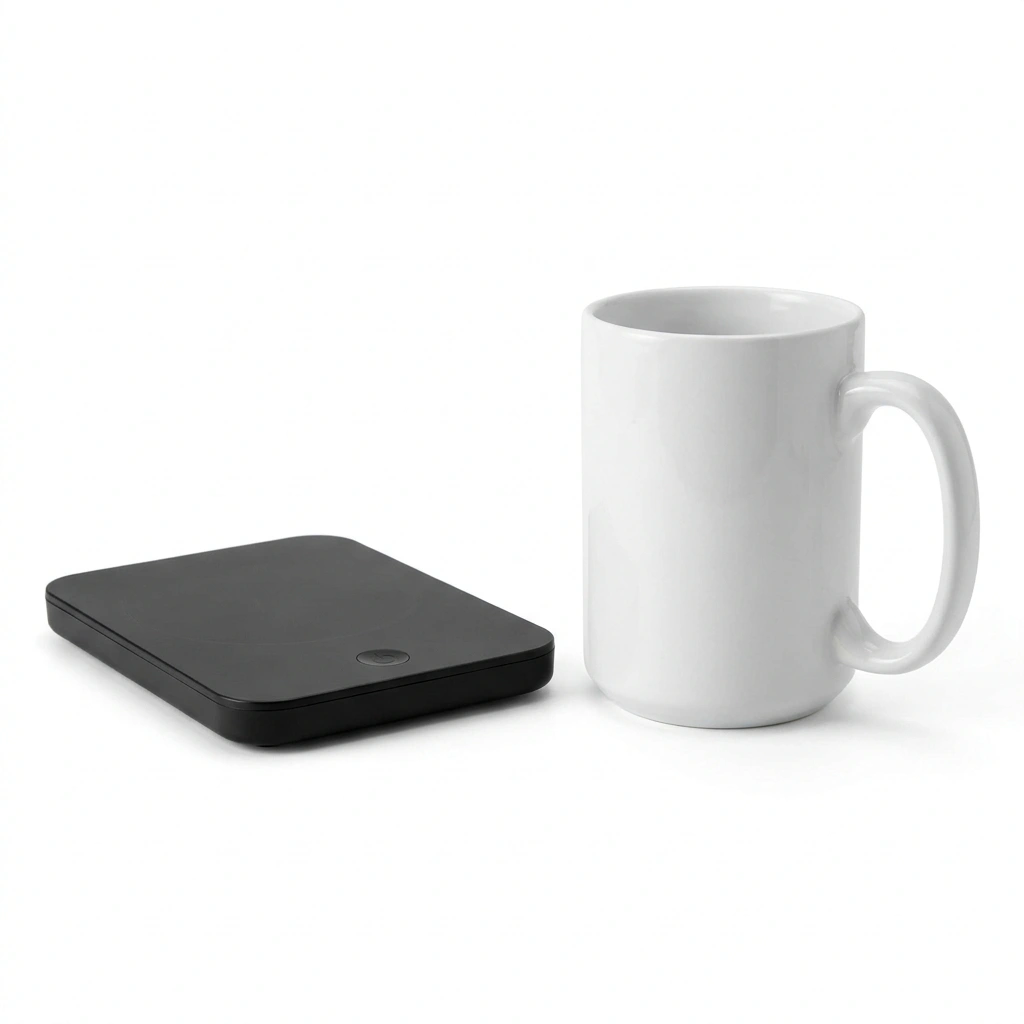
A plate warmer is essentially a small heating element with a cord. Few parts can fail:
- Heating element
- Temperature sensor
- Cord
- Power switch or touch controls
- Auto-shutoff timer
Most of these are inside the housing and not user-serviceable. When one fails on a budget plate warmer, the repair cost exceeds the replacement cost. The unit goes in the trash.
The exception is the cord, which on some models is replaceable. Most are not. The Mr. Coffee ships with a fixed cord; the Cosori is the same.
Self-heating mugs
A self-heating mug has more components and one is consumable:
- Battery (consumable — degrades with every charge cycle)
- Heating element
- Electronics
- Charging contacts
- Mug body
The battery is the limit. Lithium-ion batteries in self-heating mugs typically retain 80% capacity for 300-500 charge cycles. With daily use, that's 1-2 years of full-runtime performance and another 1-2 years of degraded runtime before the battery is functionally dead.
The mug itself (ceramic body, heating element) usually outlasts the battery. Replacing the battery is possible but the cost is often more than a replacement mug. The Ember Mug 2 and Nextmug reviews cover the battery-runtime tradeoffs in detail.
For a buying-decision frame, see are mug warmers worth it.
Brand-by-brand reputation
What verified-purchaser feedback suggests about the brands we've covered:
Cosori Coffee Mug Warmer
The Cosori tracks the 24W plate-warming tier — 2-3 years of daily use before typical failure points appear. The most commonly reported issues are touch-control sensitivity and the auto-shutoff timer. Cosori's customer service has a reputation for handling warranty claims without much friction.
Mr. Coffee Mug Warmer
The Mr. Coffee Mug Warmer is the most budget-oriented option we cover. At the lower end of the price tier, the unit uses simpler components — a mechanical on/off switch, a plastic housing, no auto-shutoff. The realistic life is shorter than the mid-tier, with cord and switch being the most commonly reported failure points. The low price softens the blow when it goes.
House Gem 36W
The House Gem 36W is the more durable option. The 36W element runs well below its thermal limit, the metal housing is more robust than the typical plastic, and the configurable auto-shutoff timer has fewer hard-failure points than a fixed-timer design. Mid-tier plate warmers like this typically outlast the budget tier.
Ember Mug 2
The Ember Mug 2 has a strong record when used as directed. The Ember app surfaces battery health, and Ember's customer service is generally responsive. The realistic limit is the battery — at year 2-3, daily-charge users see runtime drop from 80 minutes to 50-60 minutes. The mug itself outlasts the battery.
What shortens the life
Three habits that consistently bring warmers in early:
- Leaving spills to dry on the plate. Coffee residue is mildly acidic. A dried spill on a hot plate accelerates corrosion of the plate surface. Wipe spills immediately.
- Running on the highest setting 24/7. The high setting runs the element near its thermal limit. Continuous operation at the limit shortens element life. Use the lowest setting that keeps coffee drinkable.
- Yanking the cord. Cord damage is the most common cause of failure. Pull on the plug, not the cord. Don't run the cord under furniture where it can be pinched.
For the cleaning routines that prevent the first one, see how to clean a mug warmer.
What extends the life
Three habits that consistently help:
- Unplug when not in use for days. A warmer that's plugged in 24/7 wears the timer faster than one unplugged between uses.
- Use a flat-bottom mug. Reduces thermal cycling stress on the plate. A mug with a recessed bottom creates an air gap, which forces the plate to run hotter to compensate.
- Avoid the highest setting if a lower one works. Less thermal stress on the element.
When to replace vs. upgrade
Replace the unit when:
- The cord is visibly damaged (safety issue — don't keep using it)
- The plate stops heating consistently (sensor or element failure)
- The auto-shutoff repeatedly fails to reset
Upgrade the unit when:
- The current warmer is 3+ years old and showing wear
- The use case has changed (you've moved from a hot-desk to a permanent setup)
- A new feature would meaningfully improve the daily routine (a temperature display, for example — see the best mug warmer with temperature display guide)
The standard replacement cycle for a daily-use plate warmer is 2-3 years. For a self-heating mug, it's 2-4 years (battery-dependent). For a mid-tier plate warmer, 3-5 years is realistic.
The verdict
A mug warmer is a small, simple appliance. With reasonable care, it lasts longer than most buyers expect. The most expensive warmers aren't necessarily the most durable — a budget-tier plate warmer with a 2-3 year life and a mid-tier plate warmer with a 3-5 year life both outlast some premium self-heating mugs whose batteries die first.
For desk use, the Cosori at 2-3 years is the right cost-per-year benchmark. For a longer-horizon investment, the House Gem 36W is the better play. For self-heating mugs, plan on replacing the battery or the mug at year 2-3.
The full buying guide, by use case, is at best coffee mug warmer for office desks.
Methodology: AI-assisted editorial assessment based on manufacturer warranty periods, aggregated verified-purchaser feedback, and small-appliance failure-mode references. We do not perform hands-on durability testing. See our editorial policy for how we work.