How to Clean a Coffee Mug Warmer (Without Damaging It)
The right way to clean a plate mug warmer, a self-heating mug, and the parts of each that you should never get wet.
Mug warmers don't need much cleaning, but they need the right kind. Most damage isn't from use — it's from the wrong cleaning method. This is the short guide to keeping the warmer working without ruining it.
The rule that prevents 90% of damage
Unplug the warmer before you clean it. Always. The plate and the electronics are close enough that a wet rag with the warmer plugged in is a small shock risk. The two minutes of "wait for it to cool" is also worth it — a hot plate will flash any cleaning solution to steam and you don't want to breathe that.
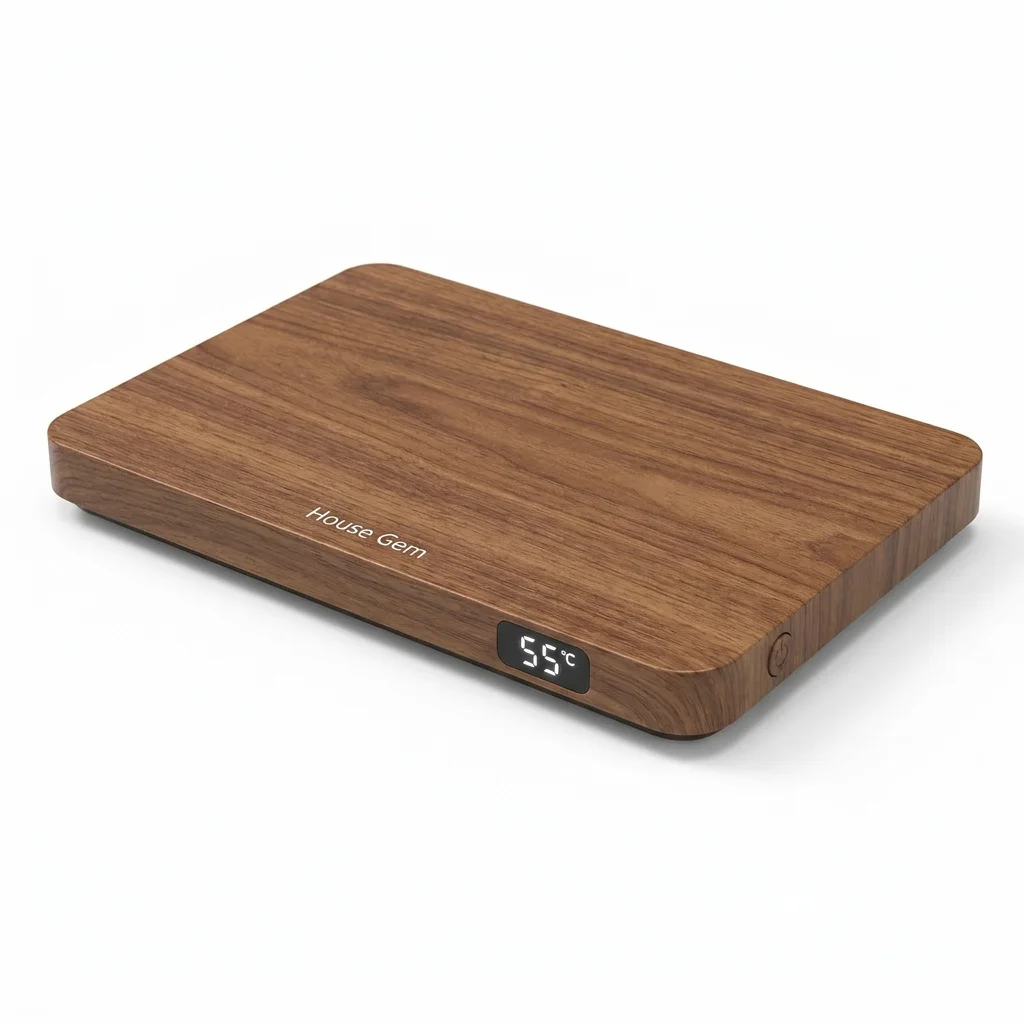
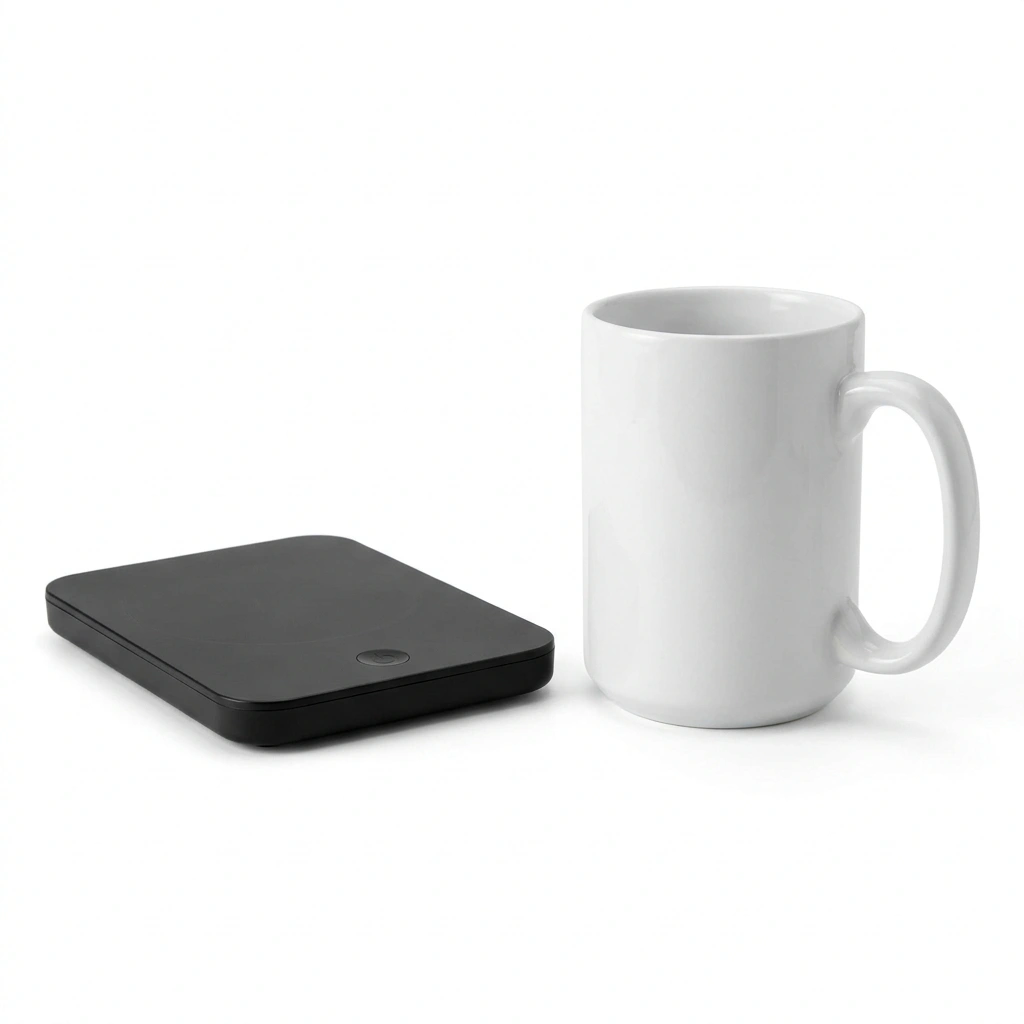
Cleaning a plate mug warmer
The Cosori, Mr. Coffee, House Gem, SWEETFULL, and most other plate warmers are all cleaned the same way.
What you need
- A soft cloth or paper towel (microfiber is best)
- A small amount of dish soap
- A dry cloth for the final wipe
What you do
- Unplug and let cool. 5 minutes is enough.
- Wipe spills immediately when they happen. A fresh coffee spill wipes off clean. A dried coffee spill requires scrubbing, which can damage the plate surface.
- For stuck-on residue, dampen the cloth with a tiny amount of water and dish soap. Wipe the plate. Don't pour water on the warmer — even small amounts can get into the electronics from the seam between the plate and the housing.
- Dry with a second cloth. Don't leave the plate wet.
- For the housing, the same damp cloth works. Most housings are plastic; some are metal. Either way, no abrasive cleaners.
What you don't do
- Don't submerge. Plate warmers are not waterproof. Even the ones that claim "splash-proof" should not be submerged.
- Don't use abrasive cleaners. Barkeeper's Friend, Magic Eraser, scrubbing pads — all of these will scratch the plate or the housing. The plate is the part that touches your mug, and scratched plates are harder to clean next time.
- Don't spray anything directly. Apply cleaner to the cloth, not the warmer.
- Don't run the plate wet. A wet plate plus a hot mug is a thermal-shock risk for the ceramic coating.
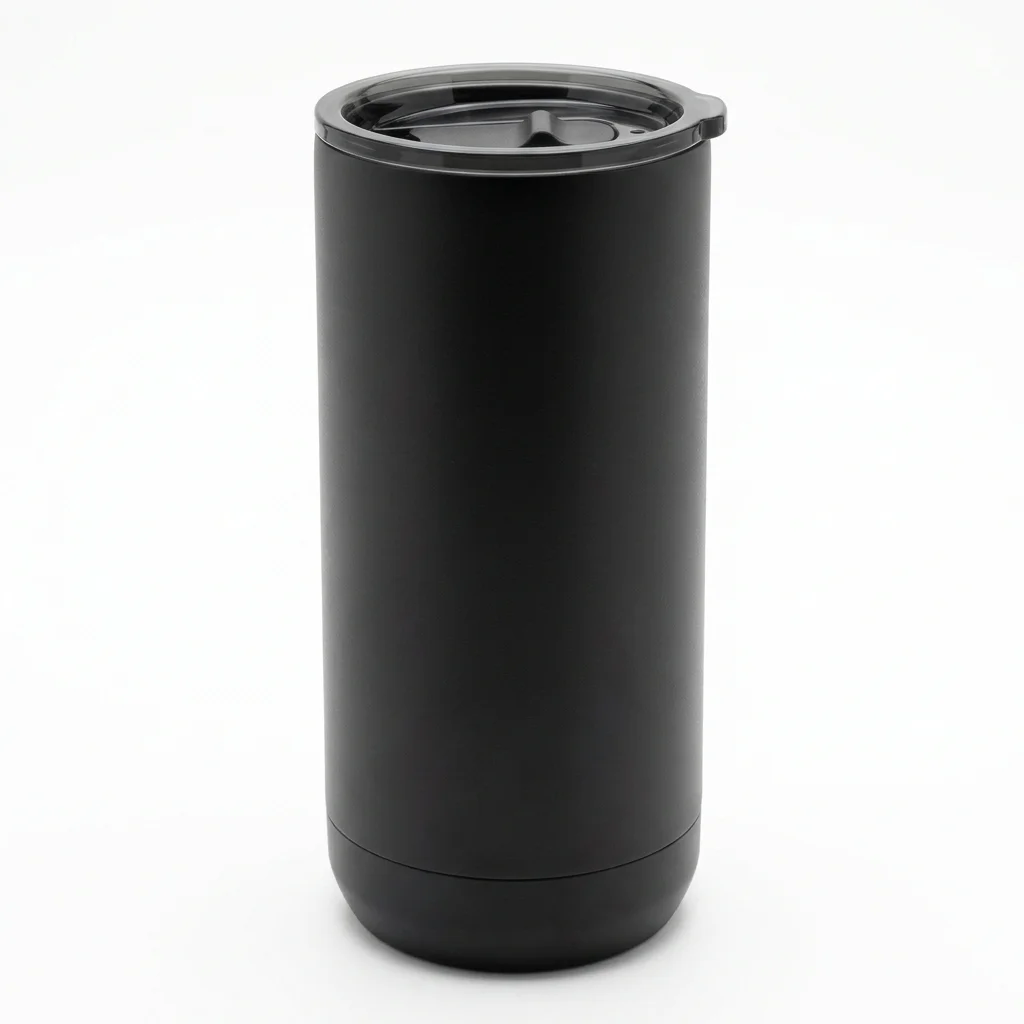
Cleaning a self-heating mug (Ember, Nextmug, etc.)
Self-heating mugs are more restrictive than plate warmers because the electronics are in the mug.
What you need
- A soft cloth or sponge
- Dish soap
- Warm water (not hot)
What you do
- Empty the mug.
- Hand-wash only. Every smart-mug manufacturer says this. The charging contacts in the bottom of the mug are not dishwasher-safe. The IPX7 water-resistance rating means the mug can survive a brief dunk, but the contacts degrade with repeated dishwasher cycles.
- Use a soft sponge, not a scrubber. The ceramic interior can scratch. The coating is what makes the mug easy to clean; once scratched, future cleaning is harder.
- Rinse and dry the outside. Pay attention to the charging contacts — wipe them with a dry cloth. Water on the contacts can cause charging failures.
- Air dry upside down so any remaining water drains out.
What you don't do
- Don't put it in the dishwasher. Ever.
- Don't soak it. Brief rinse is fine. Soaking is not.
- Don't clean the contacts with anything wet. A dry cloth or a very lightly dampened cotton swab is the most that should touch them.
How often to clean
For both types, the answer is: when there's something to clean. A plate warmer that's used daily with a clean mug only needs a wipe-down once a week. A self-heating mug that gets used twice a day should be hand-washed daily, especially if you're adding milk or sugar to the coffee.
Coffee residue on a plate warmer becomes a flavor problem long before it becomes a hygiene problem. A "ring" of dried coffee on the plate will start to smell, and that smell transfers to the next cup. The "I keep cleaning my mug warmer and the coffee still tastes off" complaint is almost always a residue ring that wasn't fully removed.
When to replace, not clean
A plate warmer with a visibly peeling or chipped surface is at the end of its life. The plastic coating is what makes the plate non-stick and easy to clean; once it's gone, every subsequent cleanup is harder and the metal underneath can affect taste. Replace it.
A self-heating mug with a failing battery (runtime dropping below 30 minutes) is also at end of life. Battery degradation is permanent and not fixable with cleaning.
For both, the standard replacement cycle is 2-3 years with daily use.
A note on descalers
If you're in a hard-water area and use the mug with water (some people use them for tea), mineral buildup on the plate is a thing. A diluted white vinegar wipe (1:1 vinegar and water) on a cool, unplugged plate dissolves mineral deposits. Wipe again with a damp cloth (no vinegar residue), then dry.
Don't use vinegar on a smart mug — the electronics are in the mug, not the plate, and you don't want vinegar getting into the charging contacts.
For more practical tips, see how to keep coffee hot at your desk — the broader setup habits that make cleaning less of an issue in the first place.
Methodology: AI-assisted editorial assessment based on manufacturer care instructions and aggregated verified-purchaser reviews. We do not perform hands-on testing. See our editorial policy for how we work.